- Home
- Your Government
- Town Departments
- Fire
- Commercial Kitchen Fire Prevention
Commercial Kitchen Fire Prevention
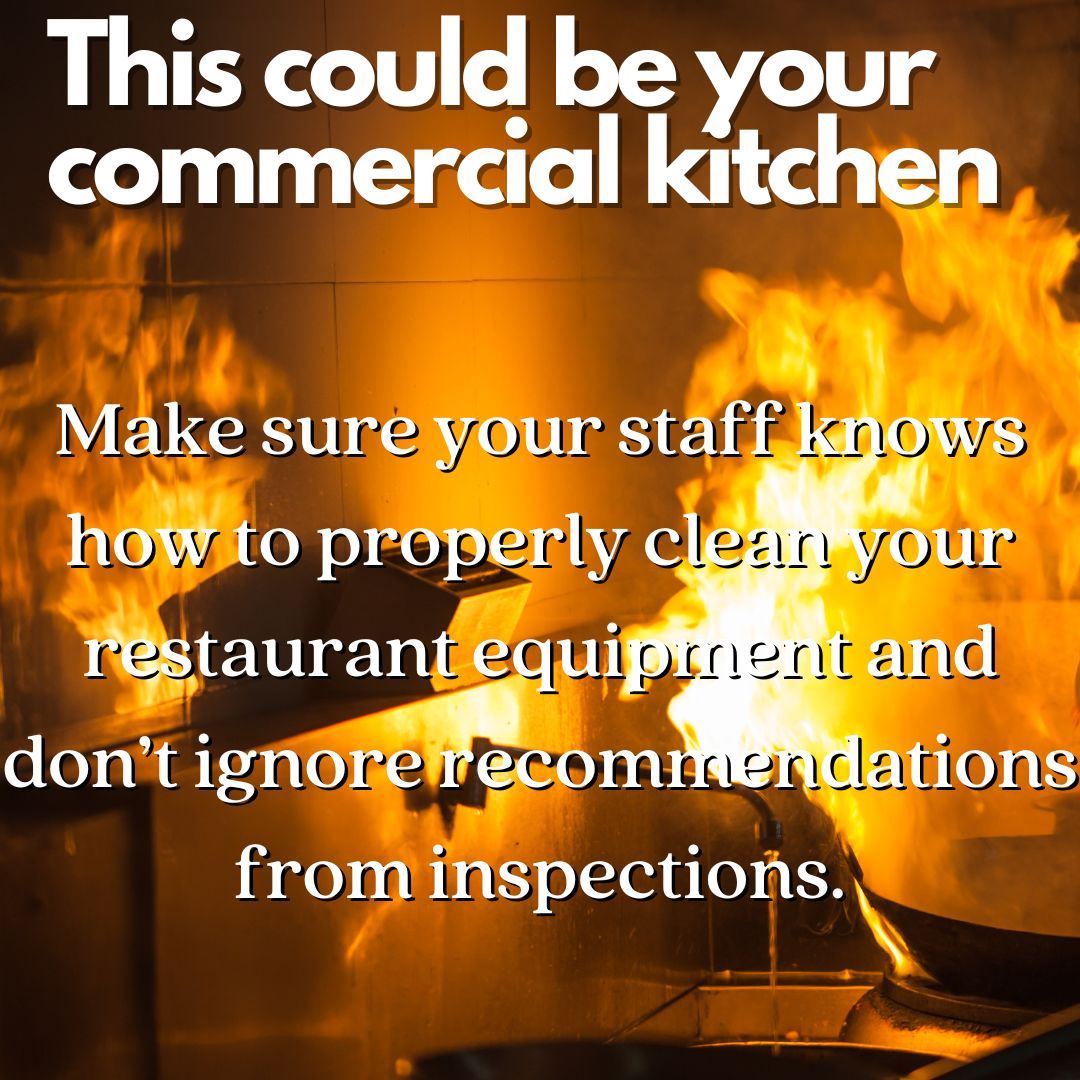 Kitchen Fire Protection
National Fire Protection Association (NFPA) research shows that cooking fires are the greatest cause of fires in eating and drinking establishments, with three out of five fires (61%) originating in equipment and causing 38% of direct property damage.
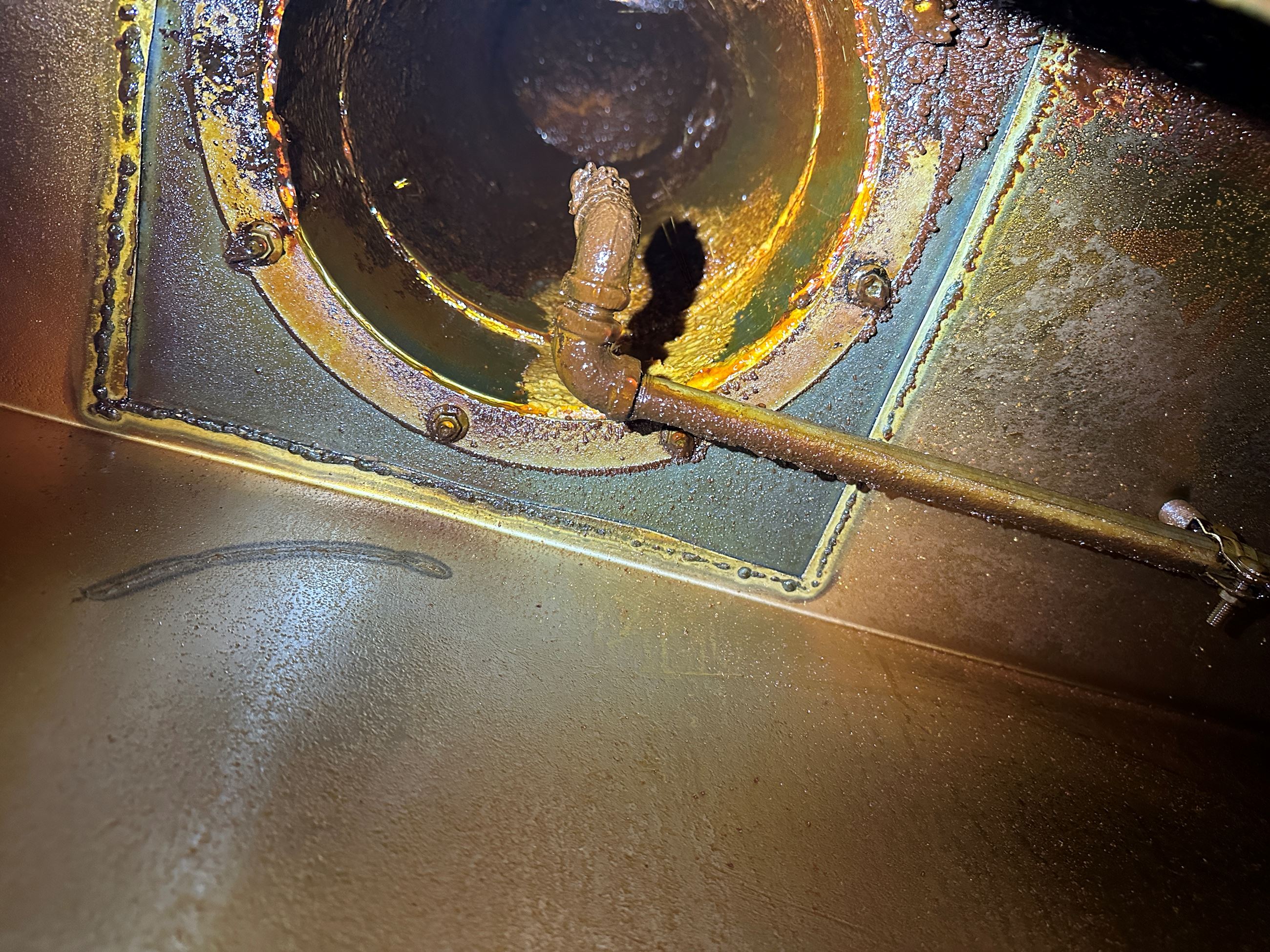
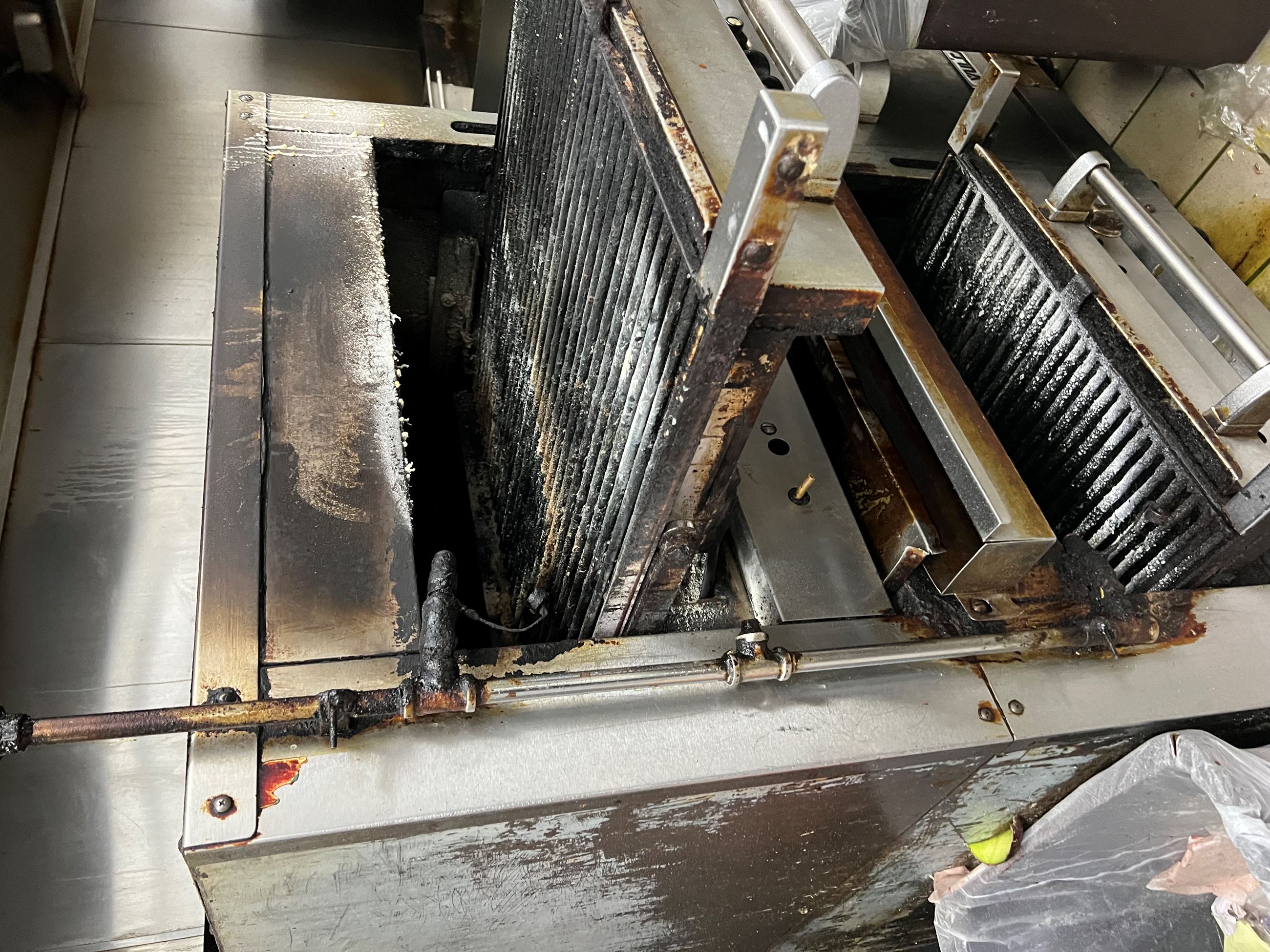
Since 1 in every 5 of the fires cited in the NFPA Research report had a failure to clean as a factor contributing to its ignition, cleaning seems like an easy and obvious solution to mitigate fire risks. Hiring a cleaning company doesn't completely solve the problem - kitchen staff must be trained to inspect and clean in between servicing. Developing and/or enforcing a training program for all employees is a great way to achieve this goal. New employees should be trained, and current employees should be recertified on specific facility procedures every 6 to 12 months.
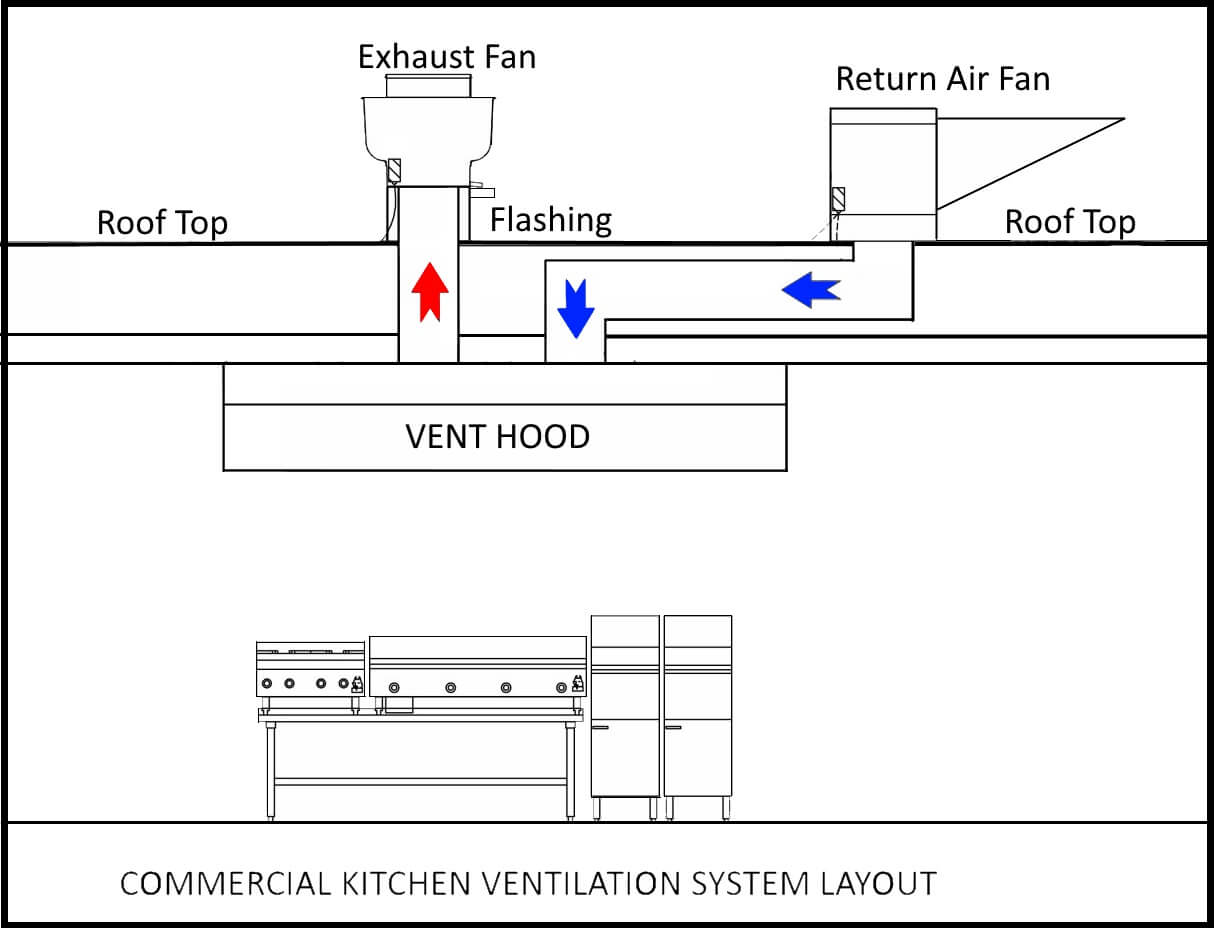
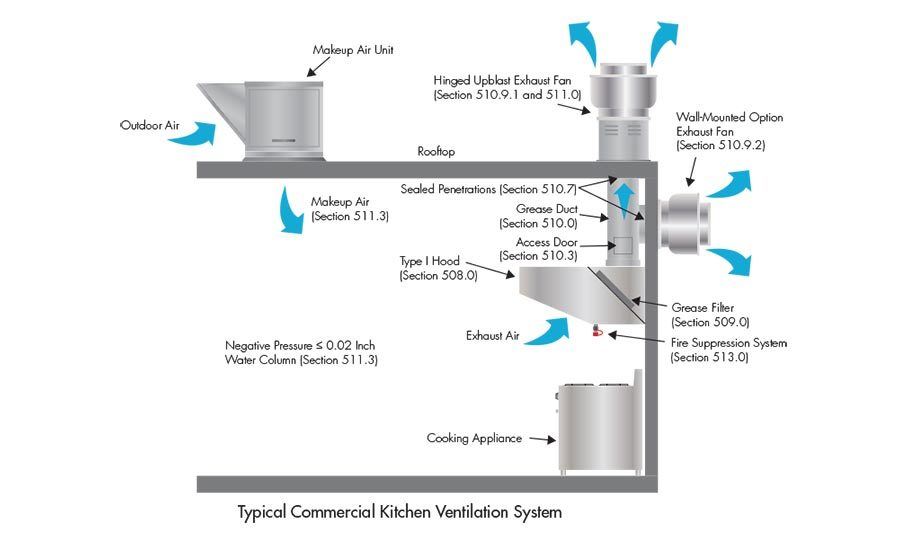
Ultimately, it is the owner's responsibility that cooking equipment, hoods, ducts, fans, fire-extinguishing equipment and special effluent or energy control equipment installed in their facility are maintained to ensure the entire system works properly and provides the appropriate level of protection. In addition, the owner is responsible for the inspection, testing, maintenance, and cleanliness of the ventilation control and fire protection of the commercial cooking operation.
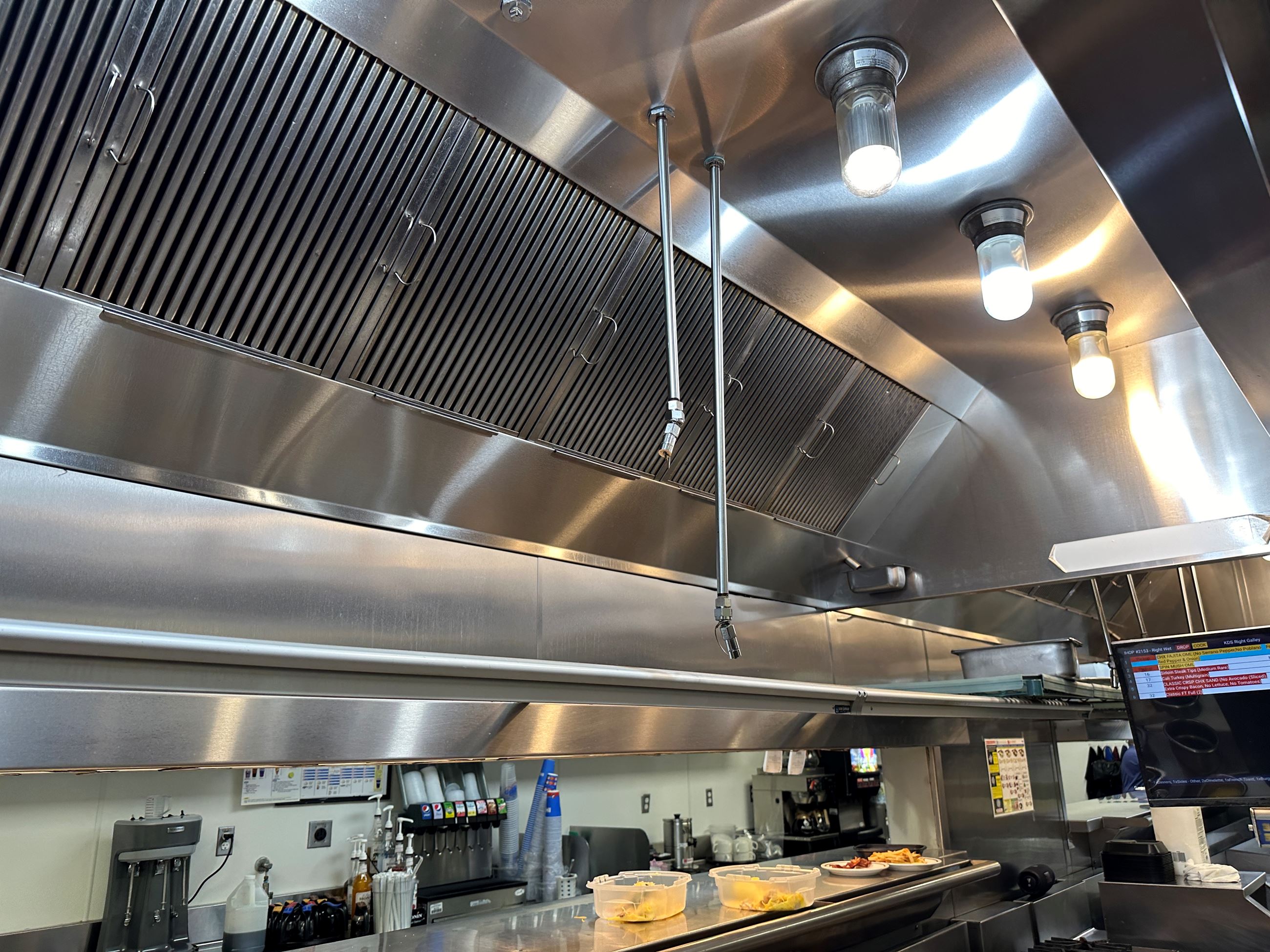
Wet-chemical extinguishing system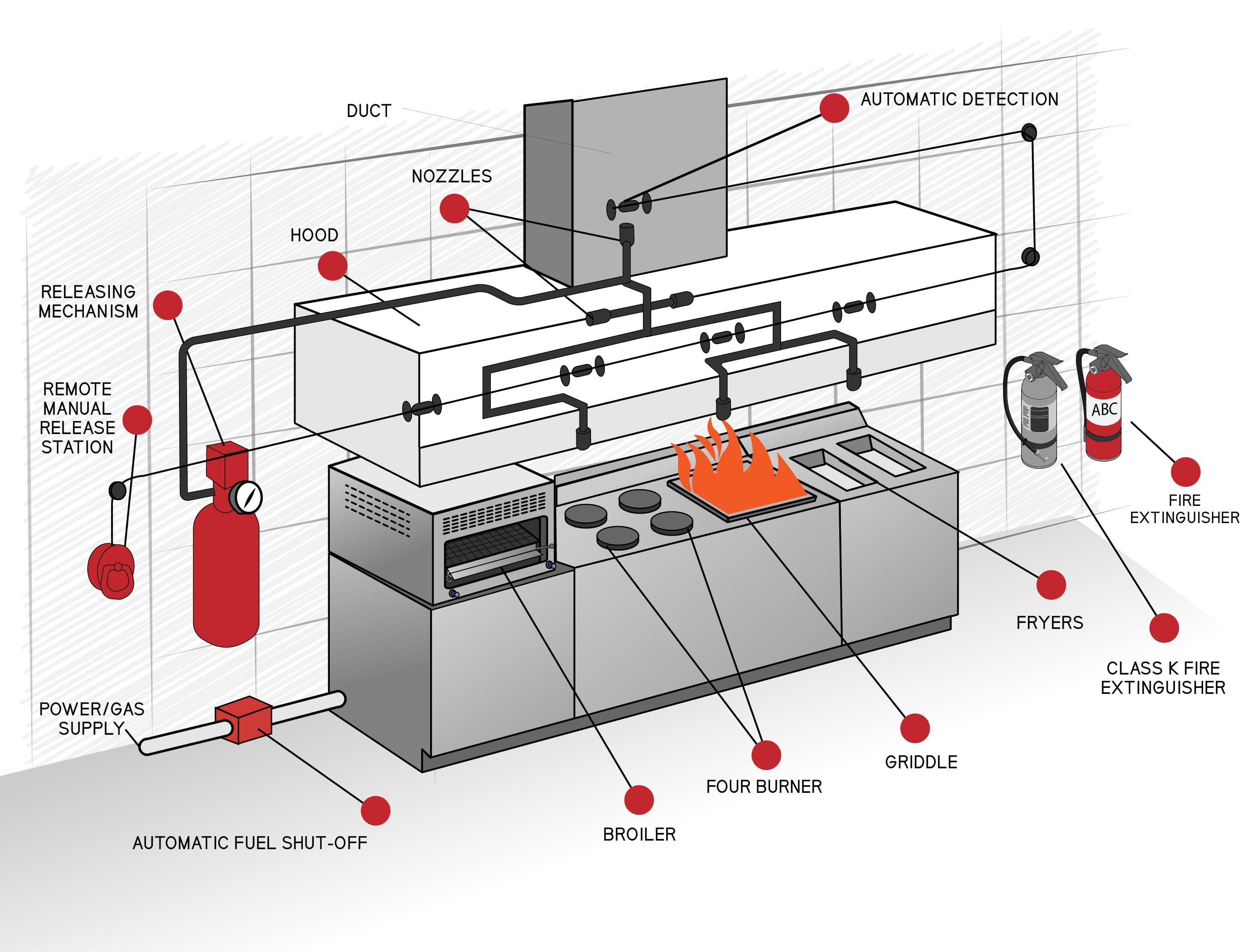
The majority of fires in restaurants are caused by cooking equipment. For this reason, any cooking equipment used in processes that produce grease-laden vapors must be provided with ventilation and a fire extinguishing system. The fire extinguishing systems must be listed to UL 300 or equivalent standards which is currently only achieved by wet chemical extinguishing systems. The wet chemical is able to separate the oil and air for a sufficient amount of time to allow complete cooling. These systems are most commonly activated automatically through the use of fusible links that are in the exhaust airflow and have a manual release that can also be used by staff in the area.
Class-K Fire Extinguisher
While the fixed extinguishing system is intended to be the primary means of extinguishment, at least one portable fire extinguisher is also required to be provided in the kitchen area. Extinguishers in kitchens must be Class K. Signage is required at the extinguisher in the form of a placard that is conspicuously placed near each Class K extinguisher that states that the fire protection system must be activated prior to using the fire extinguisher.
Inspection and Maintenance
Routine inspection and maintenance of cooking equipment, the hood and exhaust systems, and fire extinguishing equipment are vital to ensuring that protection is maintained consistently for the restaurant. In addition, instructions need to be provided to new employees and to all employees annually on the use of portable fire extinguishers and the manual actuation of the fire-extinguishing system.
Hoods need to be inspected for grease buildup at a frequency that is typically semi-annually for most restaurants but can be more or less frequent, depending on the type and volume of cooking. When that inspection finds grease buildup the hood and exhaust system must be cleaned.
Egress
The ability for patrons to evacuate the restaurant in the event of a fire must be adequately provided and maintained. Some common areas of concern regarding safe egress include the arrangement of chairs and tables cutting down on the available aisle accessways as well secondary exits being locked, blocked, or obstructed by storage.